
Knots to mph converter
1 knot = 1.151 mph. Type a speed in knots or mph and get the other one straight away. Works for wind, boats and planes.
The quick way
- Knots to mph: knots × 1.151. In your head, add 15 percent.
- mph to knots: mph × 0.869. In your head, take off 13 percent.
So 10 knots is a bit over 11 mph, and 40 mph is a bit under 35 knots.
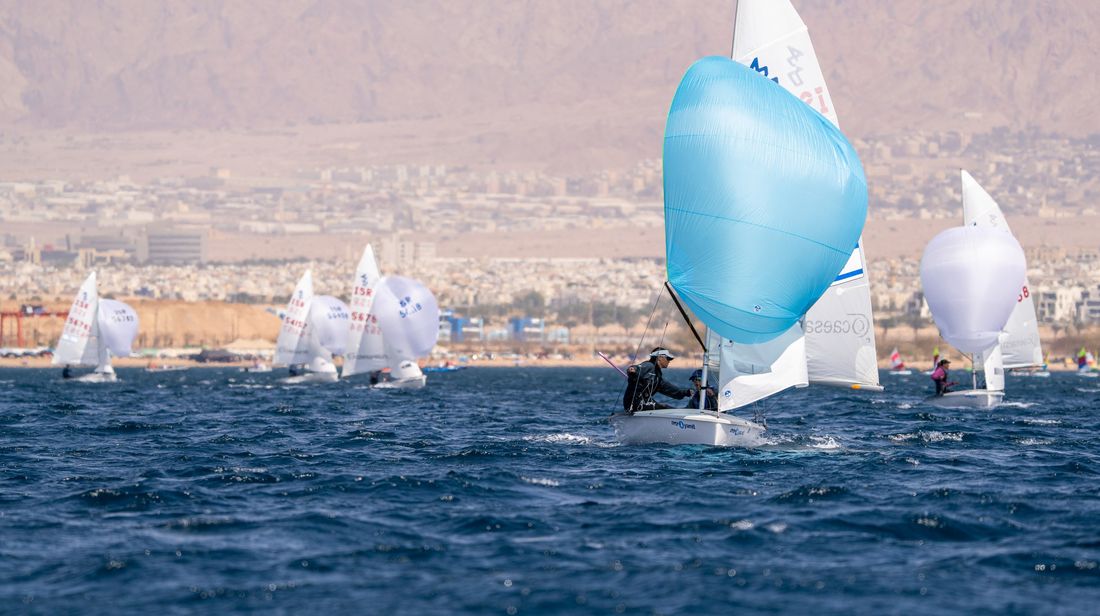
Knots to mph chart
Every row is the same speed in four units. For mph to knots, find your mph in the second column.
| Knots | mph | km/h | m/s |
|---|---|---|---|
| 1 | 1.2 | 1.9 | 0.5 |
| 2 | 2.3 | 3.7 | 1 |
| 3 | 3.5 | 5.6 | 1.5 |
| 4 | 4.6 | 7.4 | 2.1 |
| 5 | 5.8 | 9.3 | 2.6 |
| 6 | 6.9 | 11.1 | 3.1 |
| 7 | 8.1 | 13 | 3.6 |
| 8 | 9.2 | 14.8 | 4.1 |
| 9 | 10.4 | 16.7 | 4.6 |
| 10 | 11.5 | 18.5 | 5.1 |
| 15 | 17.3 | 27.8 | 7.7 |
| 20 | 23 | 37 | 10.3 |
| 25 | 28.8 | 46.3 | 12.9 |
| 30 | 34.5 | 55.6 | 15.4 |
| 35 | 40.3 | 64.8 | 18 |
| 40 | 46 | 74.1 | 20.6 |
| 50 | 57.5 | 92.6 | 25.7 |
| 60 | 69 | 111.1 | 30.9 |
How fast is a knot?
A knot is one nautical mile per hour. A nautical mile is 1,852 metres, a land (statute) mile is 1,609 metres, so a knot is a little faster than 1 mph: 1.151 mph, or 1.852 km/h.
The nautical mile comes from the shape of the Earth: it is one minute of latitude. That is why sailors, pilots and weather services at sea all use knots. A speed in knots lines up with the distances on a chart.
What these numbers feel like on the water
- 5 knots (6 mph): light air. Dinghies drift along, kites need big sizes or stay on the beach.
- 10 knots (11.5 mph): nice racing breeze. Most classes are fully powered up.
- 15 knots (17 mph): a great day for kitesurfing and wing foiling on mid sizes. Small boat sailors start hiking hard. See our kite size wind chart.
- 20 knots (23 mph): fresh breeze, Beaufort 5. White caps everywhere and a lot of capsizes in the fleet. Close to the wind limit of many small drones, see drone wind limits.
- 34 knots (39 mph): gale force. Racing is off.
- 64 knots (74 mph): hurricane force, the start of a Category 1 hurricane.
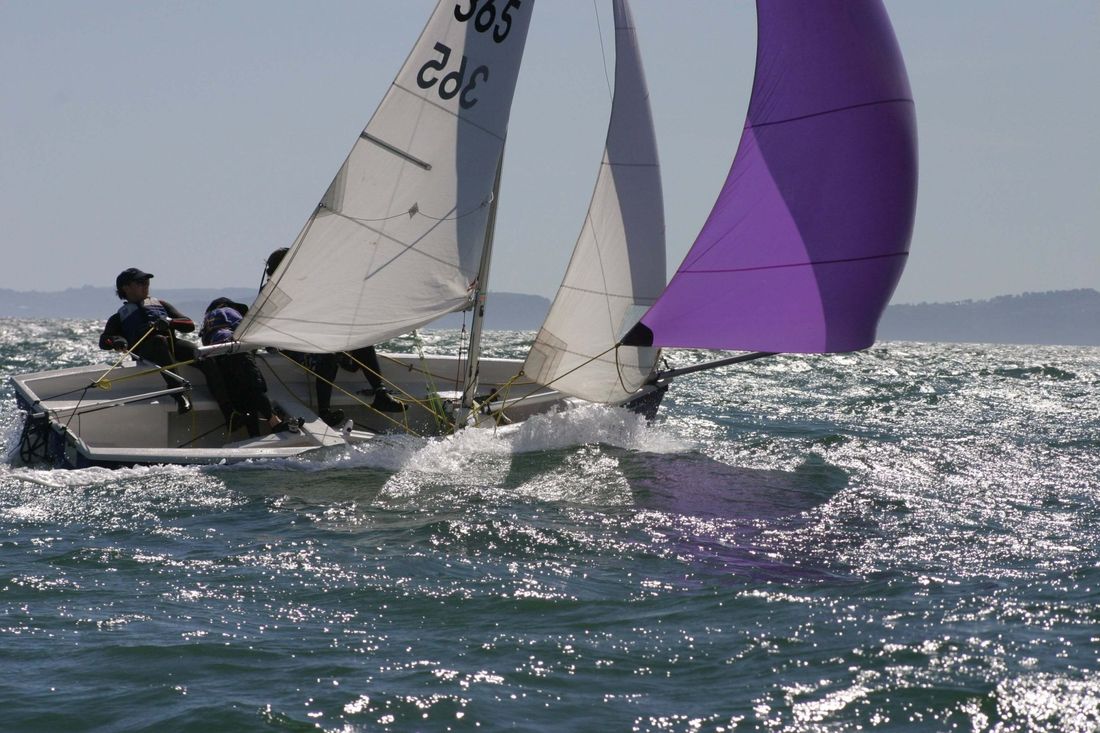
Need km/h, m/s or the Beaufort force as well? Use the full wind speed converter.
Measure it yourself
A forecast gives you one number for a big area. A handheld anemometer tells you the wind where you are standing, right now. The Windie 360 shows knots, mph, km/h and m/s, so there is nothing to convert.